
Military Buildup by Both Sides Shadow US-Iran Nuclear Talks in Geneva
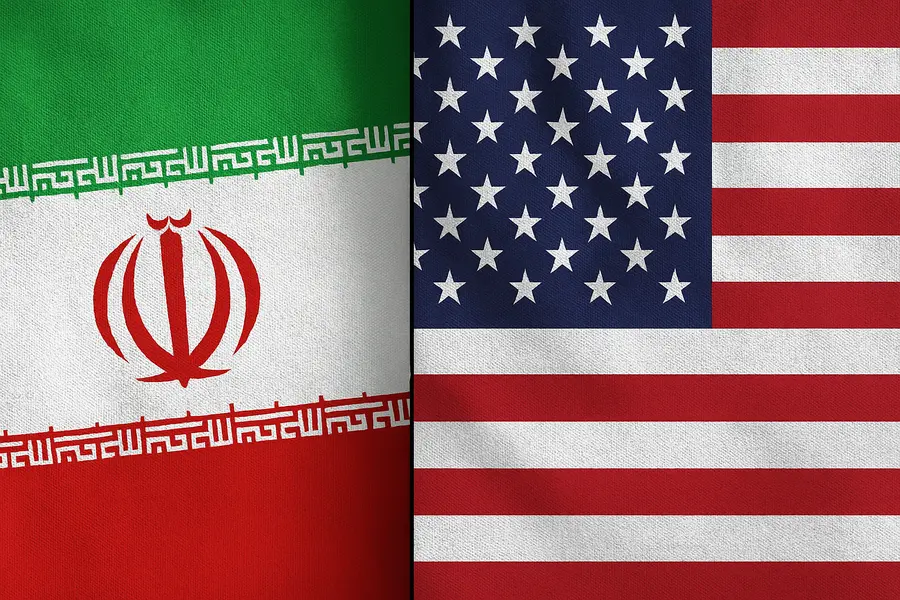
Iran on Wednesday sharply criticized US President Donald Trump’s rhetoric and pressure tactics just days before a pivotal round of negotiations in Geneva, where Washington and Iran are set to resume discussions on Tehran’s nuclear program.
Iranian officials dismissed Trump’s recent remarks on their nuclear activities and domestic unrest as exaggerated or false, accusing the US of spreading misinformation to shape international opinion. At the same time, Iran insisted it remains open to genuine diplomacy that respects its national dignity and mutual interests.
The diplomatic push comes against the backdrop of one of the largest US military deployments to the Middle East in years, with additional aircraft, warships and support units repositioned in the region. That buildup is viewed by analysts as a strategic effort by US to bolster leverage in negotiations, though it has also heightened fears of a broader confrontation should talks fail.
Trump has repeatedly warned that, if diplomacy collapses, military action remains on the table — a stance that alarmed governments across the region and raised concerns about a potential escalation into wider conflict, especially as the long-running Israel-Hamas war still reverberates.
Iran’s leadership, for its part, has maintained that all US bases in the Middle East would be considered legitimate targets in the event of an attack, underscoring the potential risks of military escalation. Iran has also faced growing domestic dissent in recent months, which adds another layer of complexity to the diplomatic process.
The Geneva talks are expected to be the third round of such negotiations under the mediation of Oman, a partner that has previously helped bridge gaps between the two sides. Whether these discussions can produce a meaningful breakthrough or simply punctuate heightened tensions remains a central question for international observers in the coming days.
Tags



Related News
Dont Miss it







0 comments