
Indian Students Account for Half of Recent US Visa Cancellations

Web desk
Published on Apr 19, 2025, 04:57 PM | 2 min read
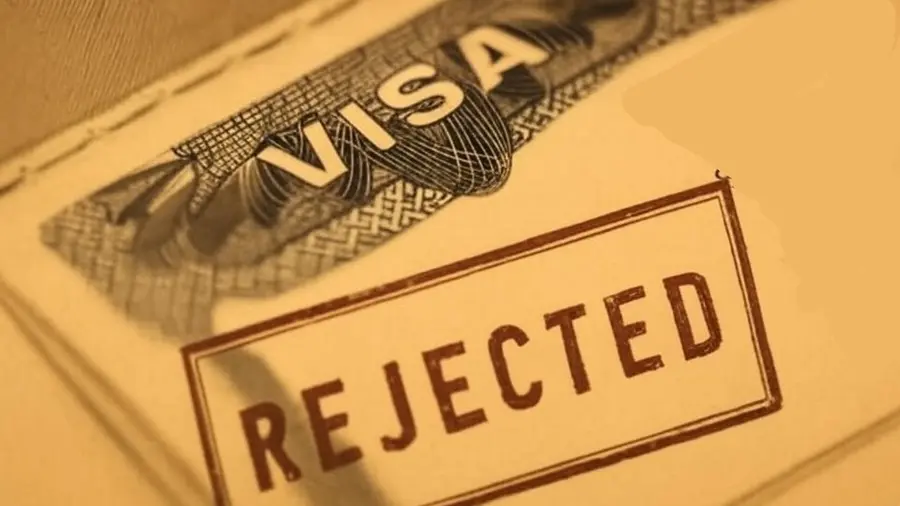
Washington: Indian students have emerged as the most affected group in a recent wave of US student visa revocations, with reports indicating that they account for nearly 50 per cent of the total cancellations. The development comes amid a sweeping immigration enforcement initiative by the US Department of Homeland Security (DHS), which has led to over 1,000 international students losing their legal status since late March.
The revocations were carried out with minimal prior warning, and in many cases, students only became aware of the cancellations after receiving alerts from their respective educational institutions. Some students reported receiving no detailed explanation for the decision.
The move has raised alarms among legal experts and university administrators, who argue that standard procedures—including institutional consultation and due process—appear to have been overlooked. In response, federal judges in several US states have issued temporary restraining orders to prevent immediate deportations and allow affected students time to challenge the decision in court.
The situation has led to growing anxiety within the Indian student community, which forms one of the largest international student populations in the United States. Advocacy groups and civil rights organizations are now urging U.S. authorities to adopt a more transparent and accountable process, warning that arbitrary enforcement could undermine trust in the American education system.
As debate intensifies around immigration and student mobility, education stakeholders are calling for a balanced policy approach—one that protects national interests while safeguarding the academic and professional futures of international students who contribute significantly to U.S. institutions.
This wave of visa revocations marks one of the most dramatic developments in recent years concerning international education in the U.S., with long-term implications for bilateral academic ties and global student confidence.



Related News
Dont Miss it







0 comments