
International
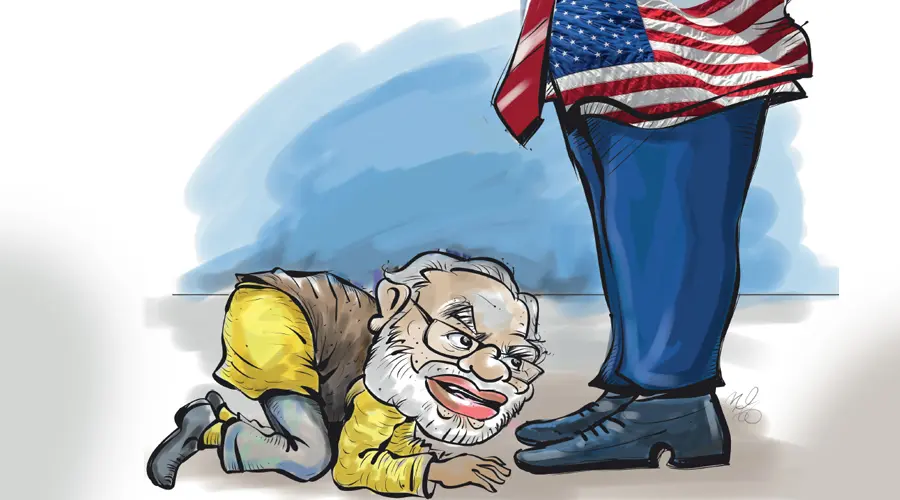
India-U.S. Trade Deal Soon; Modi Bows to Trump’s Pressure

Web desk
Published on Oct 23, 2025, 11:52 AM | 2 min read
New Delhi: The National Democratic Alliance (NDA)-led Modi government is reportedly preparing to sign a bilateral trade agreement with the United States, which involves some concessions, including a phased reduction in Russian crude oil imports. This move comes amid increasing pressure from the Trump administration for India to align with its geopolitical agenda, particularly its antagonism toward Russia.
Under the proposed deal, India would gradually cut down on its Russian crude oil imports while increasing oil purchases from the United States. Additionally, the agreement includes a significant increase in imports of American agricultural products like pulses and soybeans, along with expanded defence cooperation through the procurement of weapons and nuclear reactors from U.S. suppliers.
In return, the Trump administration has offered to reduce punitive tariffs on Indian exports from as high as 50% to a somewhat lower 15-16%. While this might appear to be a win for Indian exporters suffering under tariff barriers in sectors like steel, aluminium, and agriculture, the broader implications warrant caution.
This deal, expected to be announced during the ASEAN summit in Kuala Lumpur, is a sharp departure from India’s historically non-aligned foreign policy. The Modi government’s willingness to pull back from Russian energy shows growing U.S. influence on India’s strategic choices, pushing the country closer into America’s geopolitical contest with Russia, especially amid escalating tensions in Eastern Europe.
Beyond the geopolitical realignment, the economic and social consequences for India’s vast agricultural sector are worrying. Opening the floodgates to U.S. pulses and soybeans risks devastating local farmers, who already face precarious incomes and unstable markets. This influx of cheap imports threatens to undercut indigenous agriculture, worsening rural distress and undermining food sovereignty.
Moreover, the expanded defence procurement from the U.S. may deepen India’s dependency on expensive foreign military supplies, diverting resources from pressing social needs and raising questions about transparency and accountability in defence deals.
While tariff reductions on Indian goods may offer some relief to exporters, the price of this trade-off could be steep: a shift away from an independent foreign policy, growing economic vulnerability for small-scale producers, and increased entanglement in global power struggles that could undermine India’s long-term interests.



Related News
Dont Miss it








0 comments