
ICJ to Deliver Landmark Verdict in Myanmar’s Alleged Rohingya Genocide Case; Ruling May Shape Gaza Proceedings
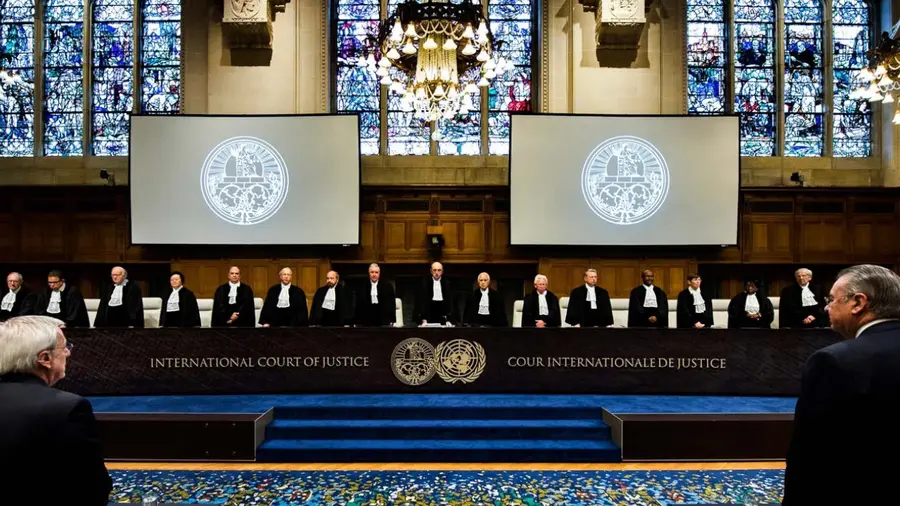
Inage used for representation
The Hague: The International Court of Justice (ICJ), the United Nations' highest judicial body, is set to deliver its verdict on Thursday in a landmark case accusing Myanmar of committing genocide against the Rohingya Muslim minority. The ruling, seven years after proceedings began, could establish important legal precedents for determining state responsibility for genocide and influence other cases before the court.
The case was brought by The Gambia in 2019 under the 1948 Genocide Convention, alleging that Myanmar's military violated international law through its 2017 campaign against the Rohingya in Rakhine State. The African nation has sought a declaration that Myanmar committed genocide, an end to alleged violations and reparations for the affected community.
The military offensive, launched in August 2017 following attacks by a Rohingya insurgent group, forced more than 700,000 people to flee across the border into Bangladesh. Survivors have reported mass killings, sexual violence, torture and the burning of villages. Myanmar has rejected the genocide allegations, maintaining that its military operations were legitimate counterterrorism measures.
The proceedings have drawn international attention as the ICJ is also examining genocide allegations linked to Israel's military campaign in Gaza and Russia's actions in Ukraine.
Legal experts say Thursday's judgment could influence how international courts interpret the requirement of proving specific intent to destroy a protected national, ethnic, racial or religious group, a key element in establishing genocide.
If the court finds Myanmar responsible for genocide, it would mark the first time the ICJ has delivered a final judgment establishing that a state committed the crime.
Around 1.2 million Rohingya refugees currently live in Bangladesh, while approximately 550,000 remain in Myanmar, where they continue to face restrictions on movement, healthcare and other basic rights.
The Gambia has also sought measures to ensure the Rohingya receive citizenship and can safely return to Myanmar.
Although ICJ judgments are legally binding and final, the court has limited enforcement powers, leaving implementation largely dependent on international pressure and cooperation.



Related News
Dont Miss it








0 comments