
A boy, an island and the quiet weight of history

Anjali Ganga
Published on Dec 16, 2025, 10:00 PM | 2 min read
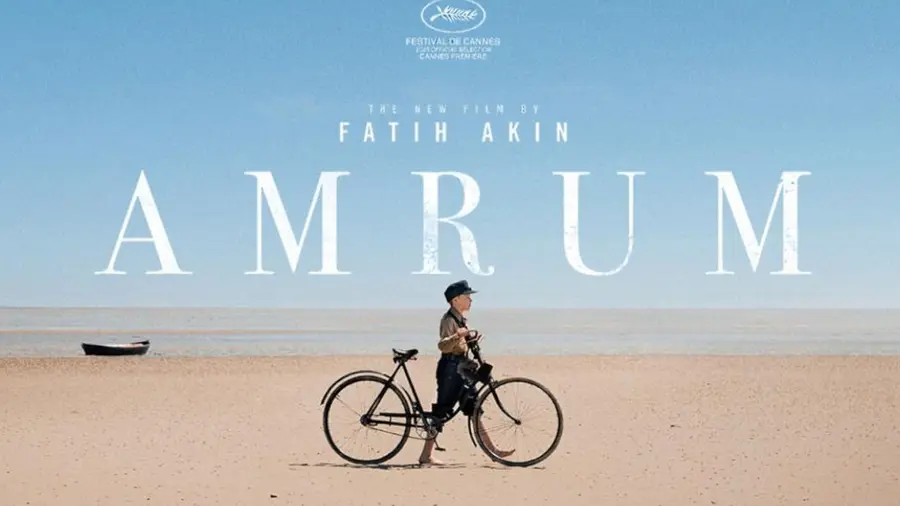
Thiruvananthapuram: A boy, a bicycle, and an island caught on the wrong side of history, Amrum begins with something deceptively simple and grows into something quietly devastating.
Directed by Fatih Akin and written by Hark Bohm, the film eases the viewer in with an unassuming start, almost withholding its emotional weight. Only later does its true nature surface: this is not just a story set in wartime Germany, but a memory shaped by childhood and survival. That realisation changes how every earlier moment lands, making the film feel heavier, more intimate.
Screened to a packed Kalabhavan hall on the fifth day of IFFK, Amrum held its audience in near silence before releasing them into prolonged applause. It was the kind of response reserved for films that strike a collective nerve, films that speak about power, obedience and resistance without raising their voice.
Set in the final days of the Second World War, as Germany edges towards collapse, Amrum follows 12-year-old Nanning, a boy growing up on the remote island of the same name. As a member of the Hitler Youth, he initially appears as a product of indoctrination. Yet the film steadily strips that away, revealing a child struggling to make sense of the beliefs forced upon him. What emerges is a moving portrait of a boy torn between what he is told to be and what lived experience slowly teaches him.
When Nanning’s father leaves to fight for the Nazi forces, the child is pushed into premature adulthood. Responsible for his mother, three siblings, including a newborn, and an ageing aunt, he takes on punishing journeys to keep his family alive and to fulfil a simple wish of his mother. Alongside this personal struggle, the film gently observes refugee movements, food scarcity and the moral exhaustion of a nation at war.
Jasper Billerbeck’s performance is remarkable in its restraint, carrying the film through glances, pauses and silences. The island itself becomes a character, sea, sand and sky forming a stark, haunting backdrop that mirrors Nanning’s inner conflict.
Amrum does not shout its politics. Instead, it lets childhood, landscape and memory do the work. It is a film that lingers long after it ends, and one of the most quietly powerful works to screen at this year’s IFFK.
Tags



Related News
Dont Miss it










0 comments