
451 Killed in 5 Years: Kerala Pushes for Centre’s Nod to Cull Dangerous Wild Animals

Anie Anna Thomas
Published on May 29, 2025, 01:05 PM | 4 min read
Thiruvananthapuram: Following the state’s decision to declare human-wildlife conflict as a special disaster, the Kerala government has stepped up efforts to safeguard its highland population from the growing menace of wild animal attacks. The state cabinet has now decided to seek permission from the Central government to kill wild animals that pose a direct threat to human life and agriculture, aiming for long-term solutions to reduce conflict and restore confidence among farmers and forest-edge communities.
The Forest Secretary will submit the proposal to the Centre after holding consultations with the Law Secretary. It includes recommendations for legal amendments to the Wildlife Protection Act. At present, limited permission exists to shoot wild boars under specific conditions, and this provision has now been extended for another year. However, Kerala is seeking broader authority to act decisively when human lives or livelihoods are endangered.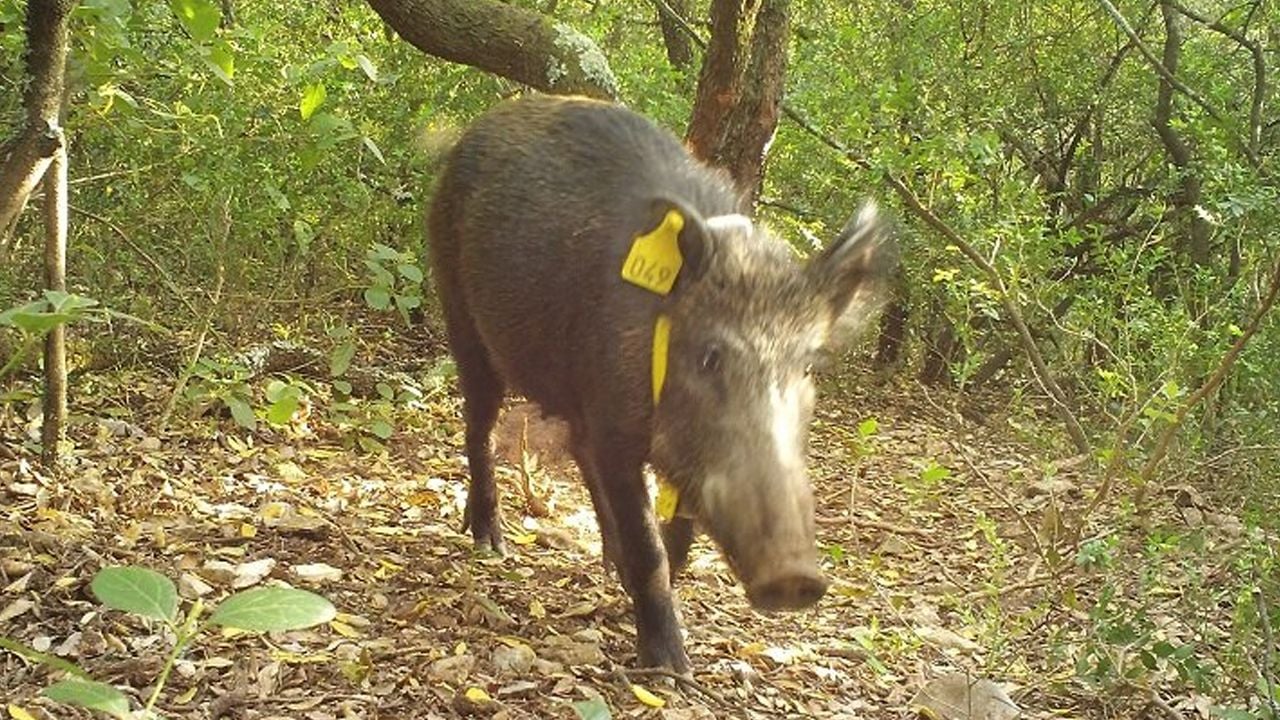
The move comes amid growing frustration over the lack of reforms in wildlife protection laws. The Central Wildlife Protection Act was enacted in 1972 during the Congress-led government, and in the last five decades, neither Congress nor BJP governments have amended the law to address the rising human-wildlife conflict.
In Kerala alone, 451 people have lost their lives to wild animal attacks in the past five years. Despite repeated protests by farmers and a resolution passed by the Kerala Legislative Assembly in February 2024 urging the Centre to declare wild boars as vermin and amend the law, the Centre has not taken action.
Ten Special Missions to Tackle Conflict and Restore Forests
Kerala’s new initiative is part of a wider strategy to reduce such conflicts and revive agricultural activities that have suffered due to constant threats from wild animals. The government is also launching ten special missions to restore forest ecosystems and improve the natural habitats of wild animals to prevent them from straying into human settlements. As part of this, exotic species like acacia, eucalyptus, and manchium—planted in many areas for commercial forestry—will be gradually removed and replaced with native forest species.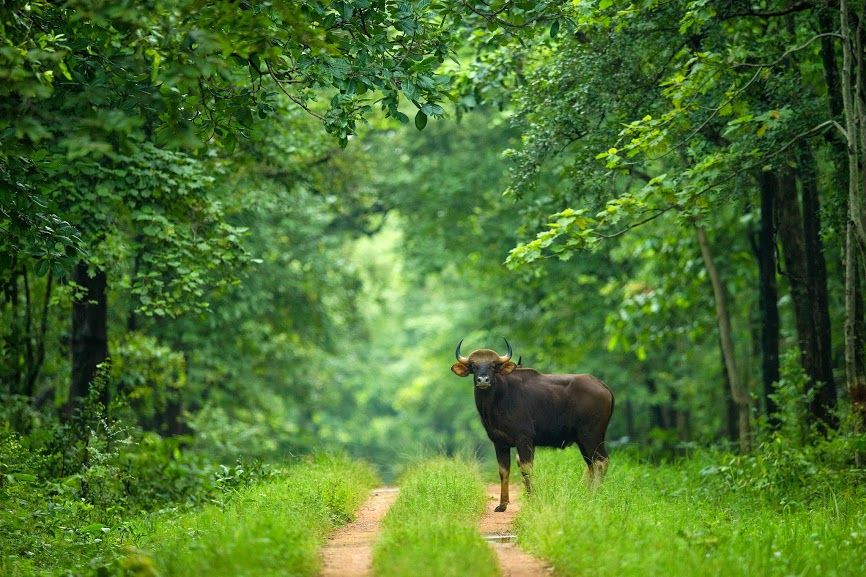
A key component of the state’s effort includes identifying 273 panchayats in 75 assembly constituencies as hotspots for human-wildlife conflict. Detailed action plans are being developed in these regions to implement mitigation strategies effectively. Kerala aims to set a model for other states in tackling this persistent challenge through coordinated and science-based planning.
The government has also enhanced its compensation package for victims of wild animal attacks. Over the last four years, 55.84 crore rupees has been distributed as compensation to victims and their families. The compensation amount for those injured or killed by wild animals has been doubled.
Moreover, financial aid is now extended even to the dependents of those who die due to bites or stings from non-wildlife species such as bees and wasps, which are otherwise not covered under the Central Wildlife Protection Act. Claiming treatment expenses has also been made easier with simplified procedures.
Kerala Among Worst Affected States, Though Not the Worst
Kerala has already taken action against individual animals identified as persistent threats. Elephants like PM 2, PT 7, and Arikomban, known for repeatedly entering human habitations and causing damage, were tranquilized and captured. Several man-eating tigers were also caught using tranquilizers. However, state authorities believe that temporary measures are not enough. The request for a broader license to eliminate wild animals that repeatedly pose a threat is seen as a step towards a sustainable and permanent solution.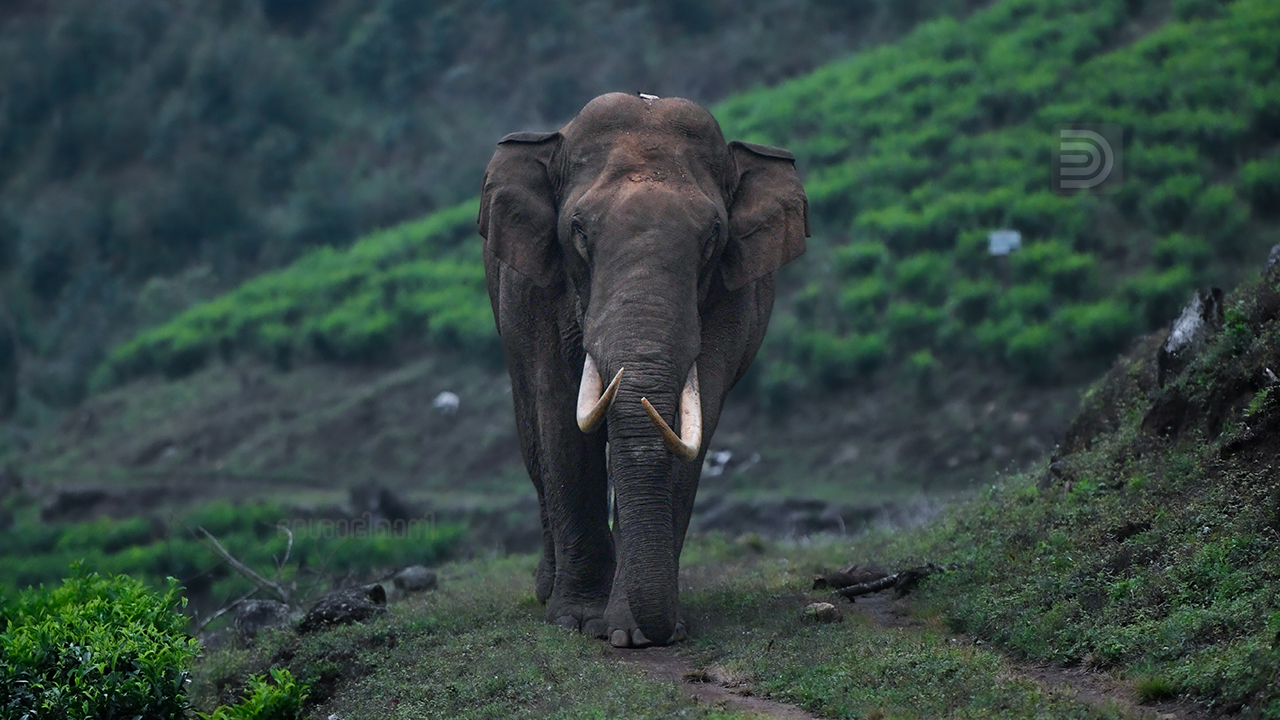
Meanwhile, data provided in the Rajya Sabha by Union Minister of State for Environment and Forests Kirti Vardhan Singh reveals that Kerala ranks ninth in the country for deaths due to elephant and tiger attacks. Between 2020 and 2024, 3,247 people were killed in wild animal attacks across India, including 2,869 by elephants and 378 by tigers. Kerala reported 102 deaths from elephant attacks and two from tiger attacks during this period.
Odisha topped the list with 624 deaths caused by elephant attacks, followed by Jharkhand (474), West Bengal (436), Assam (383), Chhattisgarh (303), Tamil Nadu (256), Karnataka (160), Kerala (102), Uttarakhand (46), and Andhra Pradesh (25). In terms of tiger attacks, Maharashtra reported the highest fatalities with 218, followed by Uttar Pradesh (61), Madhya Pradesh (32), and other states with fewer incidents.
The mounting numbers and continued inaction at the Centre have prompted Kerala to act independently within its constitutional limits. As part of its multi-pronged strategy, the state is working towards ecological restoration, legal reform, increased compensation, and targeted intervention in conflict hotspots. With the issue now declared a special disaster, the government hopes the Centre will respond to its call for stronger and more flexible legal tools to protect lives and ensure the safety of its farming communities.
Related News



Related News
Dont Miss it










0 comments