
24th CPIM State Conference
The Spirit of Kollam: The Cashew Workers' Legacy
kollam cashew workers

Anusha Paul
Published on Feb 28, 2025, 09:09 PM | 8 min read
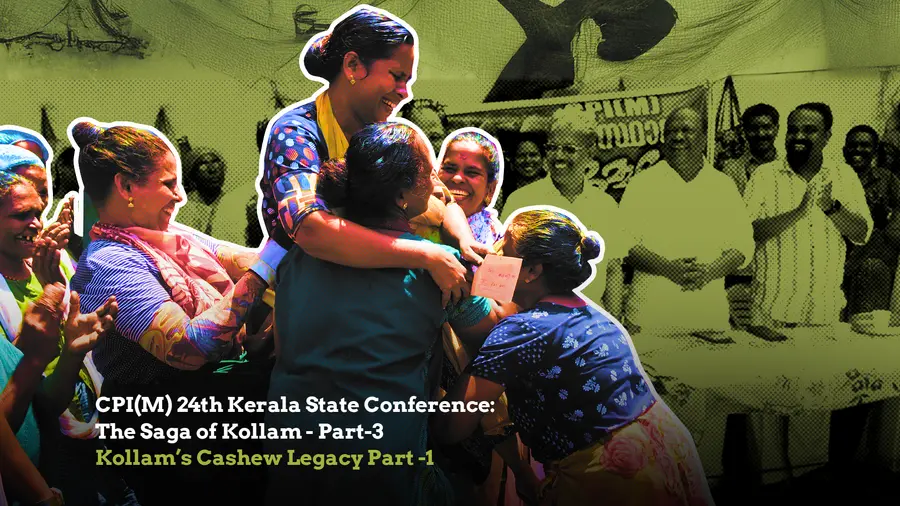
As the Communist Party of India (Marxist) (CPI(M)) gears up for its 24th Kerala State Conference in Kollam, a land steeped in the toil and legacy of its people, the workers of Mampuzha gathered to celebrate their labour, skill, and unwavering commitment to the party. Kollam, the pulsating heart of the global cashew industry, served as the stage for a spirited Cashew Nut Shelling competition, a vibrant testimony to the working-class spirit that courses through the veins of this historic region.
The competition, inaugurated by S. Jaya Mohan, Chairman of the State Cashew Development Corporation Limited, was more than a mere display of skill—it was a celebration of the indomitable spirit of Kollam’s working class. Here, in the epicenter of the cashew world, it is the women workers who reign supreme, mastering the art of shelling with unmatched precision. In a thrilling race against time, 23 women showcased their expertise, competing to shell the cleanest, most pristine cashews in just 30 minutes.
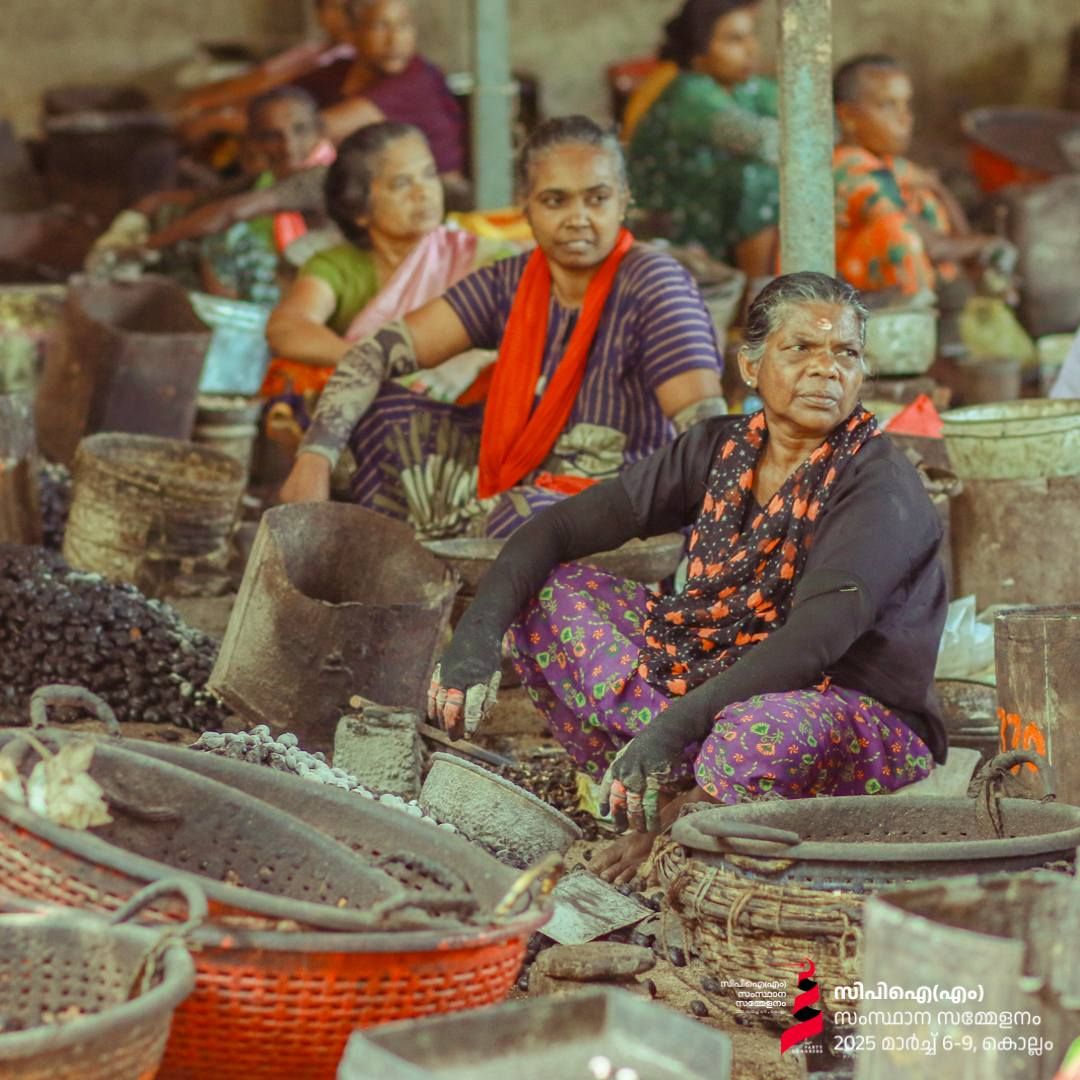
(Cashew Nut Shelling competition, Mampuzha)
Rajamma emerged victorious, her hands moving with the precision of a well-oiled machine, shelling an impressive 680 grams of flawless cashews. Anitha secured second place with 645 grams, while Devaki claimed third place with 640 grams. These victories were not just numbers—they were a reflection of the tireless labour and strength of Kollam’s women workers, whose hands craft the very heartbeat of the cashew industry.
Each shell cracked was a victory for the collective strength of the working class, deeply rooted in the long history of Kollam’s cashew industry. Over these decades, it is the workers —their sweat, their struggles, and their relentless fight—that powered not only the cashew trade but also the rise of the communist movement in South Kerala.
From the landmark struggles of 1951 to the fierce resistance of 1986 and beyond, it was the fearlessness of these workers that helped the communist parties take control of the state, time and again. These movements also saw martyrs—brave workers who, in the heat of class struggle, paid the ultimate price.Their blood was spilled in the battle for a better, fairer world.
The History of Cashew in Kerala
The cashew was introduced to Kerala by the Portuguese around 400 years ago, brought from Latin America. Initially, cashew trees were planted along coastal areas near Portuguese forts to prevent soil erosion. By the 19th century, cashew nuts had become a staple in local markets, consumed and traded widely. However, it wasn’t until the 1920’s that cashew cultivation grew into a commercial commodity, with exports to America beginning this duration this time.
In 1925, the first organized cashew factory was established in Kollam by Roy Victoria, an Anglo-Indian, with financial backing from JS Naidu, a Tamilian businessman. It was through the efforts of Naidu’s brother that the industry penetrated the American market. Swaminathan, initially hired as a supervisor in the same factory, quickly rose to become a partner and later the owner of a new factory by the 1930s. He established a more advanced factory at Kollam Ashram. By 1947, Kerala boasted 170 cashew factories, with only two being foreign-owned, operated by Peirce & Leslie in Calicut. By 1964, the number of factories had risen to 197, with 167 located in Kollam, employing over 75,000 workers.
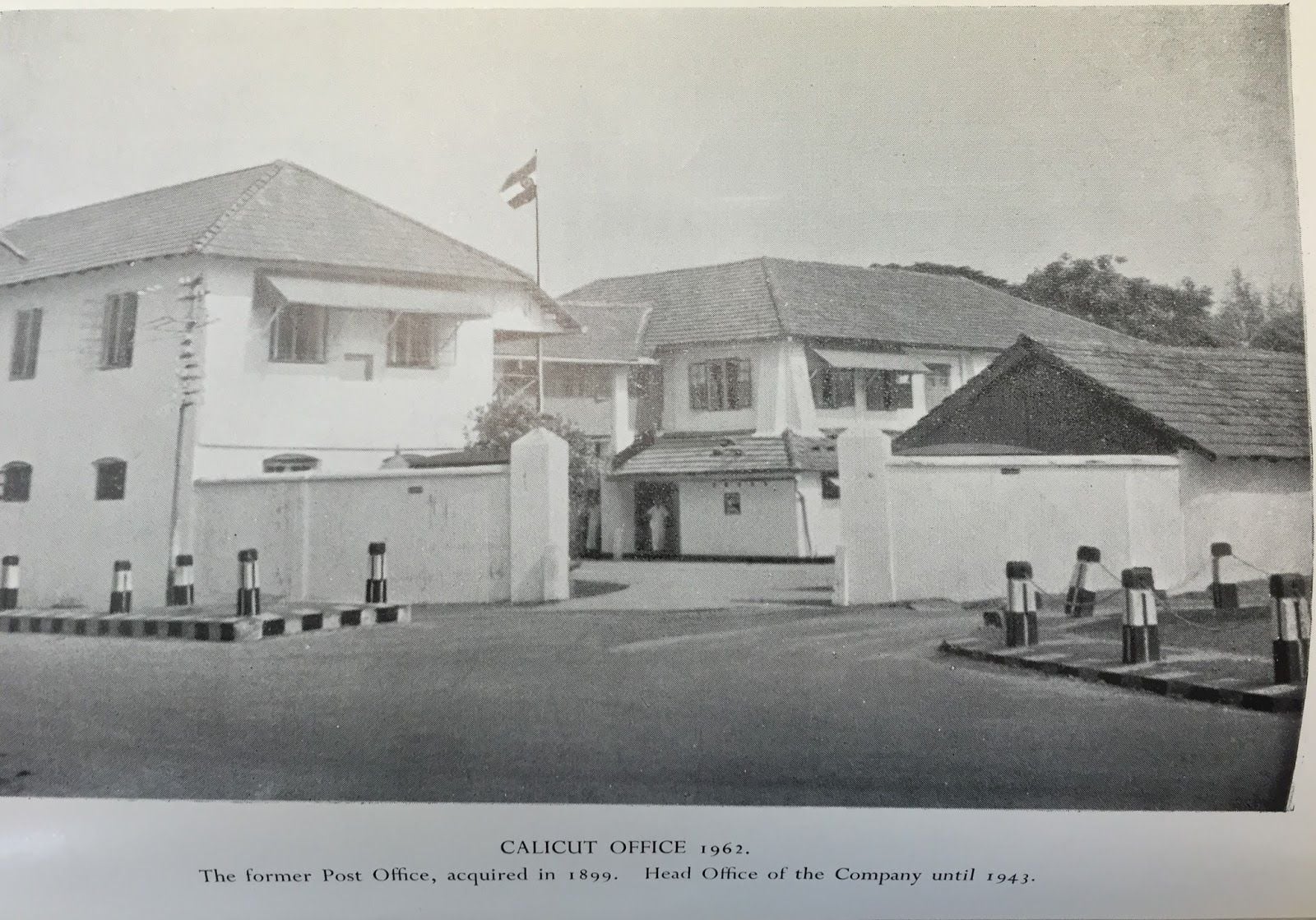
(Image courtesy: Google)
The Dawn of the Working-Class Uprising
The early days of the cashew industry were marked by gruelling conditions for workers. Labourers were often forced to work 14 hours or more daily. In the frying and shelling sections, only workers from disadvantaged castes were employed, while women from poorer backgrounds, particularly from Other Backward Classes (OBCs), worked in the peeling and grading sections. Men from marginalized castes were placed in the loading sections and were often required to stay on factory premises.
The majority of the workforce consisted of women, who had to start their day early in the morning and often worked late into the night. Factory conditions were harsh—there were no toilets, and workers had to bring their children, who were left in waste areas. Jobs were insecure, wages were below the minimum, and arbitrary deductions for water charges and other fees further exploited the workers. Factory owners also imposed regressive punitive measures to maintain control.
By 1938, as new factories sprouted across the Kollam region, the contradictions within the cashew industry intensified. It was at the India Nut Factory, owned by Swaminathan, that workers first rose in revolt against these oppressive conditions. For the first time, workers confronted the brutal and regressive punishment measures imposed by factory owner Swaminathan, demanding an end to these cruel practices. On August 12, 1938, workers organized a picket at the factory gates, standing in defiance of their capitalist exploiters. However, the state's machinery, in collaboration with the factory owners, swiftly suppressed the protest by arresting the workers, temporarily quelling the movement.
Although the immediate protest failed, it exposed the true face of capitalist exploitation and brutality. The struggle illuminated the viciousness of the capitalist class and their enforcers, revealing the extent of worker oppression to the outside world. This marked an early spark in the broader fight against exploitation in the industry.
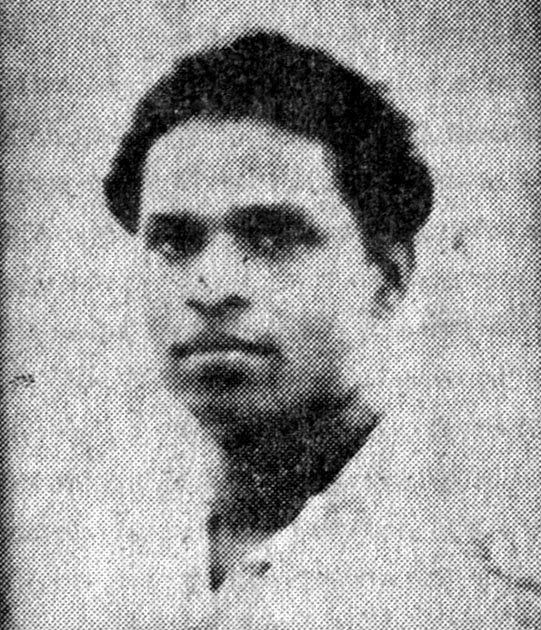
(P. Krishna Pillai, founding member of the undivided Communist Party)
This period also coincided with the efforts of P. Krishna Pillai, founding member of the undivided Communist Party, who was travelling across Kerala organizing workers and recruiting cadres. Upon learning about the plight of cashew workers, he assigned M.N. Govindan Nair to investigate and intervene in the workers' issues.
In 1942, after being released from jail, Krishna Pillai, along with Govindan Nair, visited the factory areas. Their visit energized the workers, who decided to form a union. With the guidance of the Communist Party, they established the Akhila Thiruvithamcore Kashuvandi Thozhilali Union (All Travancore Cashew Workers Union).
The union led militant protests, which ultimately forced factory owners to cease illegal deductions, such as water charges and other unlawful fees. Wages were increased across all departments, and as the communist movement gained traction among workers throughout the Kollam region, factory owners were compelled to raise wages. However, in retaliation, factory owners expelled union members from the factories.
At the time, factories in Travancore were not covered by labour laws, and cashew factories were excluded from the Factory Act. Workers rose up again, demanding maternity protection for women, who dominated the industry, and the inclusion of cashew factories under labour laws. Factory owners countered, arguing that maternity was the responsibility of the husband, not the factory, and that just as farmers harvest crops, factories merely "harvested" cashew nuts, and thus should not be included under the Factory Act.
Despite the owners' resistance, the movement gained strength among the workers. In February 1944, the Travancore government announced that cashew factories would fall under the Factory Act. However, factory owners initially refused to implement this change. Eventually, facing mounting pressure from the workers' determined movement, they had no choice but to comply.
The cashew workers also played a pivotal role in the Bonus Movement.
The Diwan (Chief Administrator to the King) of Travancore, Sir C.P. Ramaswami Iyer, also confidant of the Viceroy, proposed a constitutional reform that aimed to transform Travancore into an independent nation, separate from the Indian Union, an "American Model."
This proposal was met with fierce retaliation. On October 25, 1946, the new Travancore constitution was set to be implemented, aiming to establish Travancore as an independent country following the US model. Thousands of communists in Vayalar led a strong resistance, with the slogan 'Throw the American Model in the Arabian Sea' (American Model Arabikadalil), and the cashew workers of Kollam were not afraid to stand up either. They launched a massive strike in defiance of this move.
On October 26, the government banned trade unions, including the All Travancore Cashew Nut Workers Union. Union offices were raided and destroyed. Taking advantage of the situation, factory owners rejected the workers' demands for a bonus, reduced wages, and used the police to brutally suppress the protests. Despite this violent repression, the workers’ resolve remained unbroken, and the movement continued to grow stronger. The history of the cashew workers entered a new phase from there.
This is the first part of the Cashew Series and the third part of the CPI(M) 24th Kerala State Conference: The Saga of Kollam. In the coming sections, we will explore the evolution of cashew workers post-independence, the struggles they faced, and how both the industry and its workforce continue to grow. Stay tuned to Deshabhimani for the next part of this story.



Related News
Dont Miss it





0 comments